Module Spec 1.0
Rotary Cutter Details
The mechanical efficiency of a TBM is entirely dependent on the configuration and metallurgical integrity of its rotary cutting tools. These tools are categorized primarily by disc cutters, scrapers, and rippers, each serving a distinct mechanical purpose during face engagement.
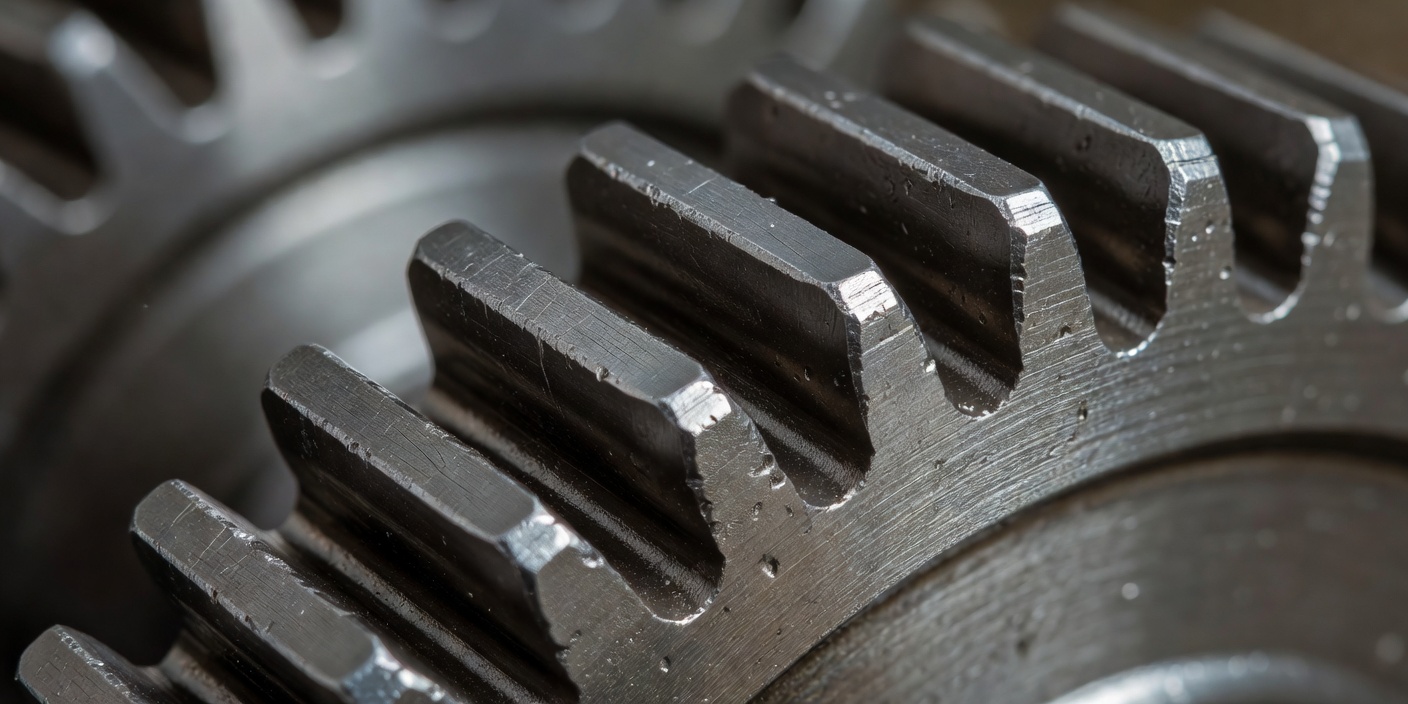
Tungsten Carbide Disc Cutters
Standard 17-inch to 19-inch disc cutters are designed to fracture hard rock via immense point loading. A single disc cutter can withstand a maximum bearing capacity of up to 320 kN. The abrasive friction shears the rock into 'chips', which then fall into the invert of the cutterhead.
Automated Spoil Removal
Once the geological strata is fractured, the resulting spoil must be evacuated continuously to prevent face locking. This is where the mechanical screw conveyor and subsequent belt logistics intersect.
The screw conveyor (auger) extracts the conditioned muck from the pressurized plenum chamber. By regulating the rotation speed of the screw, engineers control the internal pressure of the excavation chamber down to a tolerance of 0.1 bar, balancing the hydrostatic and earth pressures perfectly.